Albania is heading towards an escalation of social conflict, and it is not doing so blindly. But, seen from another angle, the revolt and Albania’s path to EU accession are not mutually exclusive. The revolt is about that side of Albania that the EU accession negotiations have not yet managed to change, the side of personalized power, the side of connections with organized crime, the side of industrial drug money laundering, the side of corruption as a governing culture, a governing culture as the rule and not the exception. To the extent that it demands accountable institutions, independent justice, and the liberation of the economy from criminal capital, the revolt meets the objectives of European integration. This alignment does not legitimize violence; it makes a European political response to its demands necessary.
1.
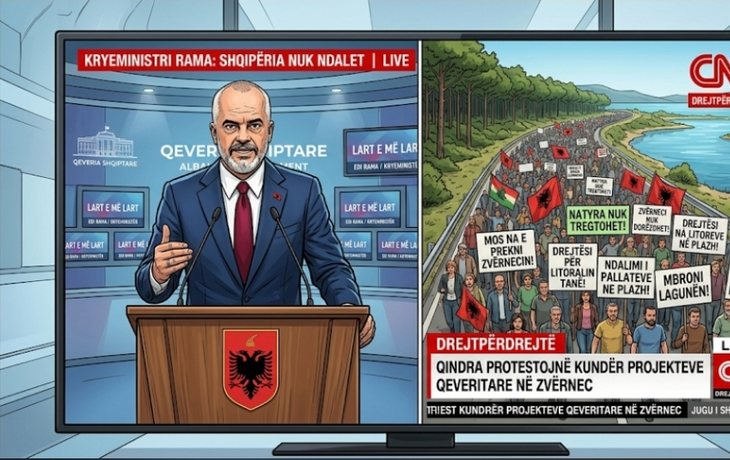
Prime Minister Rama has begun to publicly display the stone as a symbol of the violence that demonstrators commit against the state, while a part of the discourse that is close to the demonstrators provides images of the police's rubber baton as a symbol of the state's violence against the demonstrators. This creates a vicious circle in which the discourse closes around two causes presented as increasingly incompatible: the police protecting themselves from the violence of the demonstrators and the demonstrators protecting themselves from the violence of the police.
The Prime Minister has also released, together with the stone, an interpretation of the cause that in his opinion this object thrown at the police during the demonstrations symbolizes. The stone is the symbol of the cause produced by the enemies of Albania - this time primarily the Antifa ideology, Russia, followed by Iran - who do not want Albania in the EU, do not want tourists in Albania, do not want Albania friendly with President Trump or do not want Europe as a whole.
Guri, thus, takes on its own weight of ideological warfare. It is directed against an order that has Edi Rama as its elected prime minister.
With this shift, the demand for the removal of a prime minister is translated into an attempt to overthrow the state. The defense of his power takes the name of the defense of Albania.
If this is the case, then even the rubber baton, water cannon, and tear gas take on ideological weight; even physical violence against demonstrators is put into the function of protecting the order that has Edi Rama as its elected prime minister, one of those whom the prime minister's speech presents as instruments of Antifa, Russia, and Iran.
AlsoColumn 19 Oct 2026How to understand two views of an AlbaniaIn this ideological translation, the protester ceases to be treated as a citizen with whom the state has obligations and begins to be treated as an enemy from whom the state must protect itself.
2.
Një përkufizim i këtillë i gurit dhe shkopit i ka kryesisht dy drejtime të mëtejshme. Një, përkujton ligjërimin e regjimeve socialiste në krizën e tyre të fundit, kur kundërshtimi i brendshëm paraqitej si vepër e armiqve të jashtëm. Dy, e ushqen përshkallëzimin: policët që, pos shpërblimit prej 2.500 eurosh, marrin lëvdata se po e mbrojnë sovranitetin e shtetit nga Antifa, Rusia e Irani, mund ta lexojnë këtë si nxitje për një përballje më të ashpër. Demonstruesve, të damkosur si instrumente të interesave antishqiptare, u ngushtohet hapësira për dialog dhe u shtohet shtysa drejt konfrontimit. Rënia e socializmit ka treguar se përshkallëzimi nuk e pengon rënien e rendit dhe ky mund të jetë mësim për kryeministrin Rama i cili edhe vetë ka marrë pjesë në rrëzimin e një rendi të mëparshëm.
Kryeministri rrit njëkohësisht koston e kundërshtimit për protestuesit dhe koston e tërheqjes për veten. Çdo kompromis rrezikon të duket si humbje në një betejë që ai vetë e ka shpallur mbrojtje të shtetit.
Analogjia nuk është, natyrisht, kopje. Pra, Shqipëria nuk ka një rend të diktaturës njëpartiake. Rendi i vendit është i një demokracie parlamentare, të lirive të shprehjes e lëvizjes, lirisë së protestës, një vendi që është më afër se kurrë anëtarësimit në BE, në masë të madhe falë energjisë së pushtetit, gjegjësisht vetë kryeministrit Rama. Por, rendi i vendit është po ashtu edhe mungesa e kundërpeshës demokratike në shtet, personalizimi i pushtetit të përqendruar në duart e kryeministrit Rama, përfshirja e krimit të organizuar në sistemin financiar e ekonomik të vendit.
Ky bashkim kundërshtish aparente në Hungari u quajt nga Viktor Orban si “demokraci joliberale”.
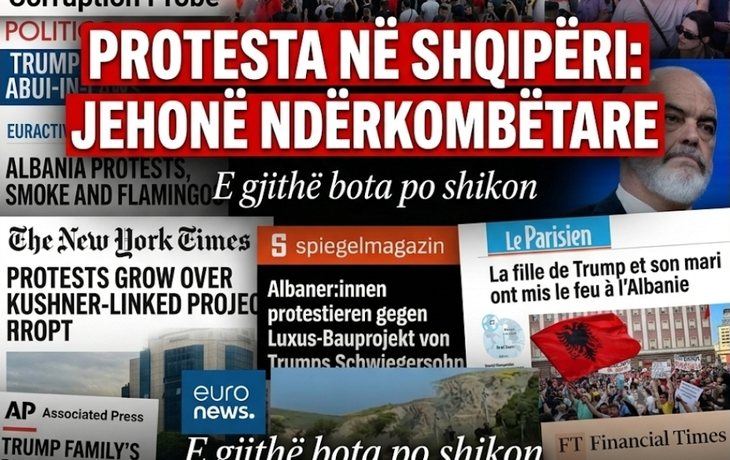
Rendi i Shqipërisë u ilustrua në kushte kreative me “lëvizjen flamingo” e cila u ngrit kundër vendimeve të personalizuara të kryeministrit për pasurinë kombëtare. Protestat treguan se qytetarët e Shqipërisë kanë të drejtë të shprehen por pushteti nuk ndihet i obliguar t’i dëgjojë; qytetarët kanë të drejtë të kërkojnë drejtësi, por sistemi nuk ndihet i obliguar që të adresojë padrejtësinë.
Funksionimi i sistemit, në fakt, është i ndërtuar mbi një padrejtësi: një Parti pa mendim ndryshe, një Parlament ku opozita nuk përbën kundërpeshë efektive të ekzekutivit, një sistem financiar, ekonomik dhe social i çoroditur nga shpërlarja industriale parash nga trafiku ndërkombëtar i drogës, një kryeministër i cili vendos se kush është investitor strategjik në vend, kush merr leje ndërtimi, kush është arkitekti, cili është projekti, dhe që me ligjërimin e vet përcakton se kush shihet si qytetar që proteston e kush si armik që duhet mposhtur. Ç’është e vërteta, padrejtësia nuk është prodhim i një njeriu, ajo është e ndërtuar me tumirjen disavjeçare të heshtur të shumicës, qoftë për shkak të kulturës konsensuale të korrupsionit, qoftë për shkak të paaftësisë së opozitës për ta kundërshtuar apo për shkak të përkrahjes ndërkombëtare që, duke e trajtuar qeverinë si garantuese të stabilitetit dhe integrimit evropian, ka lënë në hije përqendrimin e personalizuar të pushtetit.
Kryeministri Rama u tall me “lëvizjen flamingo” dhe jo pak njerëz në BE u zbavitën me imitimet që ai pretendonte se u bënte protestuesve të kësaj lëvizjeje. Pas verës së talljeve erdhi vjeshta e gurit.
3.
Shqipëria po shkon drejt përshkallëzimit të konfliktit shoqëror dhe këtë nuk po e bën symbyllazi. Ligjërimi gjithnjë e më i acaruar i kryeministrit Rama pasqyron besimin se represioni do ta shuajë revoltën që injorimi dhe tallja nuk arritën ta shuanin. Kërkesa për dorëheqjen e kryeministrit, qoftë nga “flamingot”, gurhedhësit apo Sindikata e pedagogëve, nuk përbën zgjidhje të konfliktit; është pjesë e tij. Dorëheqja e kryeministrit Rama nuk sjell vetvetiu vendosjen e demokracisë liberale, largimin e krimit të organizuar nga ekonomia dhe financat, apo rikthimin e së drejtës së qytetarit për të vendosur për të mirat publike.
Vendi dhe miqtë e tij euroatlantikë kanë nevojë ta trajtojnë këtë krizë në potencialin e vet. Dhe, për ta bërë këtë, mbase mund të merren parasysh edhe këto tri sugjerime.
One, the stone and the stick should be treated without ideological symbolism. The stone throwers are not foreign agents, they are revolted Albanians and the stone will be taken away from their hands when the issues that arose in the summer, before the stone was thrown, are addressed. The police have a duty to enforce the law, whether Edi Rama or anyone else is prime minister. They have a duty to ensure basic order, to protect citizens and private and public property.
Two, the stone and the stick will not defeat each other. The stone throwers will not undo the obligation of the police to protect the legal order; the police with batons and water cannons will not repel the revolt.
Three, seen from another angle, the revolt and the path to EU accession are not mutually exclusive. The revolt is about that side of Albania that the EU accession negotiations have not yet managed to change, the side of personalized power, the side of connections with organized crime, the side of industrial drug money laundering, the side of corruption as a governing culture, a governing culture as the rule and not the exception. To the extent that it demands accountable institutions, independent justice, and the liberation of the economy from criminal capital, the revolt meets the objectives of European integration. This alignment does not legitimize violence; it makes a European political response to its demands necessary.
4.
The current crisis of power in Albania is the struggle between legality and legitimacy. The current government is there legally, with a majority of votes won in parliamentary elections. But the problem of this government and governance is not only the lack of trust in the fairness of the electoral process; even if the elections had been completely fair, the investigations and issues raised by SPAK have called into question the way in which power is exercised and have highlighted serious suspicions of corruption at high levels. Criminal responsibility is determined individually by justice; political responsibility for the way in which government is governed cannot be postponed until the conclusion of each trial. A parliamentary majority gives the government the legal opportunity to continue. But it is not enough to solve the crisis of trust in the way in which power is exercised.
And, this is already a test of the country's maturity, to find the form of a transition towards a new legality and legitimacy of government. The path of transition must be part of the social dialogue and part of this dialogue must be Prime Minister Rama and those who are on the streets demanding his resignation.