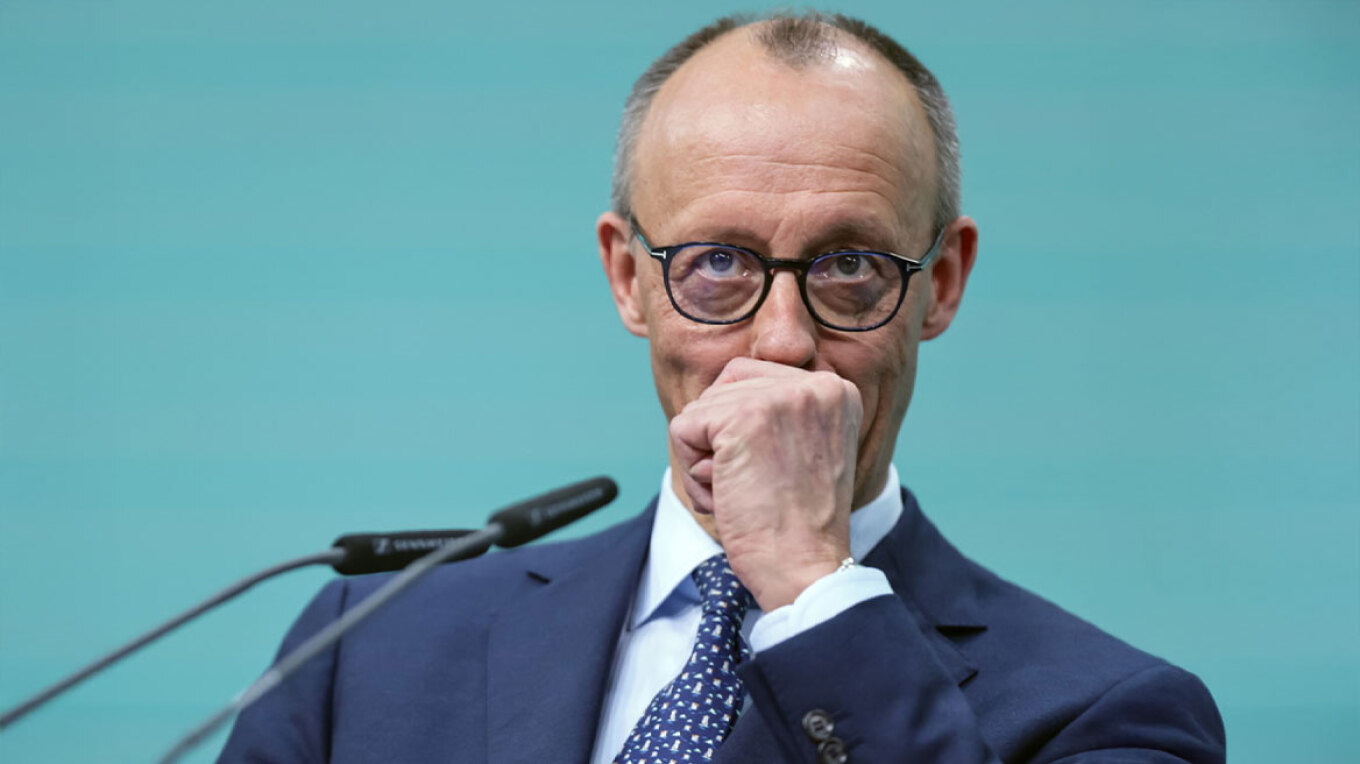
German Chancellor Friedrich Merz has called on Kosovo and Serbia to engage and achieve progress in normalizing relations between them, saying that the stagnation of dialogue between them has become an obstacle to the progress of the entire Western Balkans region.
"It [the dialogue] is currently holding everyone back, which is why we urgently call for responsibility and progress," the German Chancellor said on Thursday during her opening speech at the Berlin Process summit, which is being held in Montenegro.
Kosovo and Serbia have not held a high-level dialogue since September 2023, a few days before the armed attack in Banjska.
Merz, whose country is the "godfather" of the Berlin Process, also touched on the protests taking place in the region and in several EU countries in his speech. He assessed that these events send a clear message that the enlargement process must continue and that citizens must benefit from it.
Young people in several European countries, from Portugal to Albania, have been protesting in recent weeks over school conditions, housing prices and the cost of living. The protests have often escalated into riots.
Merz stressed that violence should never be an option, for either side, but acknowledged that this is particularly difficult to achieve "if the past completely hinders us."
"Divisive rhetoric and growing polarization will not lead to a safer, freer and more prosperous Europe. History will not look kindly on those who divide in these complicated times," the German Chancellor underlined.
He also recalled that in 2018, at the London summit, the leaders of the Berlin Process countries had jointly rejected hate speech and the glorification of war criminals.
"If we want to create a better future for our children, we must not add fuel to the fire, but must move forward on the basis of European values," said the German Chancellor.
The host of the leaders of the Berlin Process countries is Milocer near Budva, on the Montenegrin coast.
The annual summit, held on October 22, also marks the conclusion of Montenegro's one-year chairmanship of this process.
Meanwhile, in his speech, Kosovo's Prime Minister, Albin Kurti, raised the issue of Kosovo's application for EU membership, which has not yet been addressed by the bloc.
"We ask you to make the decision: to seek the opinion of the Commission, to grant Kosovo the status of candidate country and to open membership negotiations," Kurti said.
Kurti përmendi faktin që Kosova aplikon sanksionet e BE-së kundër Rusisë, për shkak të luftës kundër Ukrainës. Ai akuzoi Serbinë se përdorë metoda të njëjta si Rusia ndaj Kosovës, duke iu referuar sulmit të armatosur në Banjskë të Zveçanit më 2023, dhe ndaj sulmit në kanalin e Ibër-Lepencit.
Nikoçiri i takimit të liderëve, kryeministri malazez Millojko Spajiç, theksoi se shteti i tij i qasej detyrës së kryesuesit me përgjegjësi, duke i vënë interesat e përbashkëta të rajonit mbi prioritetet e ngushta kombëtare.
Ai nënvizoi se Mali i Zi beson se suksesi i shteteve fqinje hap mundësi shtesë edhe për zhvillimin e tij, prandaj bashkëpunimi rajonal duhet t’u sjellë përfitime konkrete qytetarëve dhe ekonomisë.
Kryeministri malazez i bëri thirrje Bashkimit Evropian të tregojë qartësi dhe vendosmëri kur bëhet fjalë për politikën e zgjerimit, duke e vlerësuar atë si një proces historik që shkon përtej lidhjes së thjeshtë institucionale të shteteve.
“Zgjerimi është ribashkimi i kontinentit tonë. Është shtrirja e premtimit për liri, siguri dhe mundësi tek evropianët, vendi i të cilëve në shtëpinë tonë të përbashkët ende nuk është realizuar. Në kohë ndryshimesh, Evropa ka vetëbesimin të marrë vendime historike. Forca e saj qëndron te cilësia e jetës që e kanë mundësuar demokracia, sundimi i ligjit dhe solidariteti”, tha Spajiç.
Samiti i liderëve është ngjarja e fundit që Mali i Zi organizon si kryesues i Procesit të Berlinit.
“Le të largohemi nga Plazhi i Mbretëreshës me angazhime që do të zgjasin, me bashkëpunim që do të thellohet dhe me bindjen se kapitullin e ardhshëm të Evropës mund ta shkruajmë së bashku”, tha Spajiç.
Në samitin në Milloçer, në fokus janë rritja ekonomike, konkurrueshmëria dhe siguria, njofton Qeveria gjermane. Mali i Zi shtoi si prioritet të katërt të kryesimit të tij tranzicionin e gjelbër dhe të qëndrueshëm. Synimi është lidhja më e fortë ekonomike e rajonit përmes Tregut të Përbashkët Rajonal dhe afrimi i tij me tregun e vetëm të BE-së, si dhe përshpejtimi i integrimit evropian të Ballkanit Perëndimor.
Në bregdetin malazez u mblodhën të gjithë liderët e vendeve të rajonit, si dhe përfaqësues të shteteve të tjera evropiane që marrin pjesë në proces: Gjermanisë, Austrisë, Bullgarisë, Kroacisë, Francës, Greqisë, Italisë, Polonisë, Sllovenisë dhe Mbretërisë së Bashkuar.
Në takim marrin pjesë edhe përfaqësues të institucioneve të BE-së, të institucioneve financiare ndërkombëtare dhe të organizatave rajonale. Kosovën në samit e përfaqëson kryeministri Albin Kurti. Kurti e takoi komisionaren evropiane për Zgjerim, Marta Kos, në margjina të samitit.
Kurti tha se në takim i tha Kosit se “është e rëndësishme dhe e nevojshme, mbështetja proaktive e Komisionit për statusin e vendit kandidat dhe hapjen e negociatave për anëtarësim”. Kosova aplikoi për anëtarësim në BE më 2022, por ajo vazhdon të jetë i vetmi vend në rajon që nuk e gëzon statusin e vendit kandidat.
Meanwhile, this is the first meeting in which Montenegrin Prime Minister Milojko Spajic, as host, and his Croatian counterpart Andrej Plenkovic, as participant, met and shook hands since it became clear that Croatia will not allow Montenegro's EU membership before resolving bilateral disputes.
It is an intergovernmental initiative that brings together the six Western Balkan countries, a group of EU member states, the United Kingdom and the European Commission.
It was launched in 2014 by then-German Chancellor Angela Merkel, and the first summit was held in Berlin on August 28 of that year.
The aim of the Berlin Process is to strengthen regional cooperation, economic integration and good neighborly relations, as well as to accelerate the European integration of the Western Balkan countries. The focus is on the creation of a regional common market with around 18 million inhabitants.
Among the results of this initiative are the abolition of roaming in the region, the Treaty establishing the Transport Community, agreements on travel with an identity card, as well as agreements on the recognition of university diplomas and professional qualifications of doctors, dentists and architects.
However, not all agreements have been properly implemented, mainly due to relations between Serbia and Kosovo, which are often an obstacle to regional agreements.
The summit in Milocer is the conclusion of the Montenegrin presidency. During the one-year presidency of the Berlin Process, Montenegro organized 25 events, including 12 ministerial meetings. German Chancellor Merz estimated that this is the largest number of ministerial meetings in the history of the Berlin Process.
The process has no central coordinating mechanism. The next chairman is usually announced at the end of the leaders' summit, with confirmation included in the final declaration. There is no formal rotation or voting. One of the participating countries, from the region, the EU or the United Kingdom, expresses its willingness to take over the chairmanship, and the agreement is reached with Germany as the initiator of the process and with the other participants./REL