The package of measures presented by Prime Minister Edi Rama, with harsher sanctions against acts of violence during protests, has raised questions not only about the effect it will have on their continuation, but also about the legal limits of these interventions and the impact they may have on the right to protest.
Will these measures succeed in removing protesters from the square and curbing civic mobilization, or do they risk increasing discontent and political tensions?
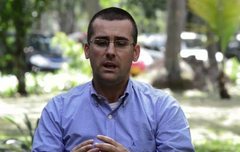
Political analyst Mentor Nazarko and political scientist Ermal Hasimja bring two perspectives on the new package, questioning both the basis and proportionality of the measures, as well as their effect on a political crisis that is not necessarily resolved through punishments.
Nazarko: The law is universal, but implementation depends on time and space
One of Nazarko's main arguments relates to the distinction between the universal character of law and the way it operates in a particular political and social context.
For Faktoje.al, Nazarko says that legal norms cannot be separated from the time and space where they are implemented, as the same measure can have different consequences in societies with different traditions, institutions, and control mechanisms.
"Laws have a universal and local character. Just as they reflect the time and space where they exert their influence. In the era when conflicts were resolved with the sword, or somewhere in Burundi, these norms would seem meaningless. Of course, in the name of maintaining public order, restrictions are placed on the right to protest and political opposition to the government," says Nazarko.
This is precisely where the question he raises about Rama's package lies. According to him, these restrictions are not automatically justified just because they aim to prevent violence.
According to Nazarko, the essential issue is whether the border set by the government complies with the European Convention on Human Rights and the Albanian Constitution.
"The question is: is this border in accordance with the European Convention on Human Rights and Freedoms? Or with the Constitution of Albania?" he asks.
The French and Italian models are not enough to justify the measures
The Prime Minister's reference to the practices of France and Italy to argue for the proposed interventions does not, according to Nazarkos, close the discussion on their democratic character.
The analyst notes that measures similar to those of other countries cannot be evaluated in isolation from the way they are implemented and the institutional guarantees that accompany them.
Nazarko sjell si shembull faktin se në këto vende përdoren edhe mekanizma të fortë për ruajtjen e rendit publik, por ekzistojnë njëkohësisht forma të kontrollit kushtetues dhe të mbrojtjes efektive të së drejtës së protestës.
Për këtë arsye, importimi i një mase ligjore nuk nënkupton domosdoshmërisht importimin e të gjithë sistemit të garancive që mund të kufizojnë abuzimin me të.
“Afërmendsh që ligjshkruesit tanë nuk u zgjuan një ditë si dje, kaq të armatosur me një kuadër adresues të dhunës së revoltës urbane. Ka kopjim fjalë për fjalë të masave franceze dhe italiane, ku megjithatë ka me bollëk të dy anët e medaljes: për dekurajim është përdorur dhe po përdoret ushtria në funksion ruajtjeje të rendit publik, si xhandarmëria apo ushtria (pa armë) me kamzhik gome që më herët në aeroporte, porte dhe zona me intensitet turistik, apo dhe njësia elitë e 500 parashutistëve të Folgore-s, ashtu si ka drejtësi kushtetuese preventive, tutelë efektive të së drejtës së protestës”, vëren ai për Faktoje.
Për të, debati mbi masat e reja nuk duhet të shkëputet nga mënyra se si është trajtuar e gjithë situata e protestave, përfshirë dhunën policore dhe aktet e dhunshme të protestuesve, si dhe pasojat që këto të fundit mund të kenë për imazhin e Shqipërisë jashtë vendit.
“Debati nuk e humb fokusin kryesor me gjithë këtë investim delegjitimues, shumëfishues të dhimbjes, kritik të dhunës së policisë e minimizues të zjarrit primitiv që më së paku defaktorizon Shqipërinë diplomatikisht”, vijon ai.
Drejtësia mund të jetë kundërpesha e masave kufizuese
Megjithëse e konsideron paketën të prirur drejt kufizimit, Nazarko nuk parashikon zhdukjen e së drejtës së protestës.
Në analizën e tij, ai thotë se një rol të rëndësishëm mund të luajë sistemi i drejtësisë, veçanërisht nëse gjykatat kontrollojnë mënyrën se si policia dokumenton dhe ndëshkon veprimet gjatë tubimeve.
“Për fat, gjykata po korrigjon qasjen represive të policisë së paaftë që të dokumentojë dhunën, shenjë se nuk jetojmë në regjimin e pikturuar nga përmbysësit e orës së fundit kundër regjimit, pasi braktisën lugët e bollshme të gostive të tij..
Pra, e drejta e protestës nuk do shuhet edhe sikur masat e reja të aprovohen, sepse sistemi i drejtësisë ka dhënë shenja pavarësie që në shkallën e parë, jo më në nivel kushtetues”, argumenton Nazarko.
Ky vlerësim është i rëndësishëm në analizën e tij, sepse e ndan miratimin e një pakete ligjore nga mënyra se si ajo mund të funksionojë në praktikë.
Edhe nëse ligji krijon instrumente më të forta për autoritetet, zbatimi i tyre mund të përballet me kontrollin gjyqësor dhe me kundërshtime kushtetuese.
Për rrjedhojë, debati për paketën nuk përfundon me miratimin e masave.
Një pjesë e rëndësishme e tij do të zhvillohet në institucionet që duhet të garantojnë se ndërhyrjet për ruajtjen e rendit nuk shndërrohen në kufizime joproporcionale të lirive qytetare.
A do t’i frenojnë masat protestat, apo do të prodhojnë më shumë revoltë?
Nazarko parashikon se paketa mund të ketë një efekt shkurajues, veçanërisht nëse shoqërohet me një fushatë të fortë komunikimi.
Megjithatë, ai nuk e konsideron këtë rezultat të sigurt dhe paralajmëron se disa prej masave mund të sjellin pasoja të kundërta me ato që synon qeveria.
Një prej shembujve që përmend është krijimi i një regjistri të personave të dhunshëm dhe kufizimi i lirisë së lëvizjes.
Sipas tij, nëse këto masa zbatohen pa u përballur me kundërshtime kushtetuese, ato mund të prodhojnë më shumë revoltë ose, në një skenar tjetër, të kontribuojnë në tkurrjen e protestës.
“Një farë efekti do ta ketë, – nëse do të shoqërohet me propagandë.
Mirëpo shihet se Rama që po komunikon i vetëm përballë turmave apo masës kundërshtuese të tij dhe kujt rri pas saj- nga PD, tek partitë e tij, ngjan jo efektiv.
Nëse do jetësohet pa kundërshtim kushtetues i ashtuquajturi regjistri i personave të dhunshëm në kufizimin e lirisë së lëvizjes për një rini që lëviz shumë- mund të ketë akoma më shumë revoltë, apo tkurrje. Mbetet për t’u parë. Është luftë për kohën.
Kjo revoltë do rezultate imediate – rrëzimin e qeverisë, sot, tani në çast, ndaj nëse zgjat pa arritur këtë objektiv, dhe kundërshtimi kushtetues i masave nuk do prodhojë bllokim të tyre, qoftë dhe të pjesshëm, mbase mund të ketë ndonjë efekt shkurajues”, vëren ai.
Hasimja: Paketa synon të intimidojë protestuesit, jo të adresojë kërkesat e tyre
Ndryshe nga Nazarko, i cili e ndërton analizën kryesisht mbi proporcionalitetin e masave dhe garancitë ligjore, Ermal Hasimja vendos në qendër motivimin politik të paketës.
Sipas tij, qeveria po përpiqet të largojë protestuesit nga sheshi, pa reflektuar mbi arsyet që i kanë nxitur të dalin në rrugë.
“Paketa e Ramës në fakt synon vetëm që të intimidojë protestuesit, të largojë protestuesit nga sheshi, por natyrisht që nuk ka asnjë lloj reflektimi mbi kërkesat reale të tyre. Pra, është thjesht një masë shtypëse e protestës dhe frikësuese”, shprehet Hasimja për Faktoje.
Për të, problemi nuk qëndron vetëm te sanksionet që parashikon paketa, por te qasja përmes së cilës qeveria po përpiqet të menaxhojë krizën.
Në vend që t’u përgjigjet kërkesave politike të protestuesve, sipas Hasimes, ajo po përpiqet të kufizojë mundësinë e mobilizimit të tyre.
“Ditët e sotme organizimi i protestës kalon kryesisht përmes rrjeteve sociale dhe mobilizim gjithashtu. Rama përpiqet ta parandalojë këtë edhe aty, por edhe në të gjitha format e tjera.
Qëllimi është që të intimidohet qytetari. Në qoftë se shteti normalisht ka për detyrë që të garantojë të drejtën e protestës, të garantojë dhe sigurinë e protestuesve dhe të pronës publike dhe private.
Në rastin konkret shteti thjesht po përpiqet të heqi qafe protestën, ta parandalojë protestën, por duke mos kryer dhe duke shmangur dhe injoruar të gjithë detyrat e veta kushtetuese”, thotë Hasimja për Faktoje.
Fashitja e protestës nuk është strategji për zgjidhjen e krizës
Hasimja links the package of measures to what he considers the government's lack of a concrete strategy to calm the situation.
According to him, recent reactions, from promises to punitive measures, show an approach focused on immediately extinguishing opposition, without a long-term plan for resolving the political crisis.
"It seems from time to time that the government does not have a concrete strategy for calming the situation and resolving the political crisis. It seems that the only reflex it has is the reflex of ceasing, cooling down, extinguishing and suppressing the protest. And this also shows a kind of analysis problem, because it is clear that the protest will not be able to be resolved in this way, much less the political crisis," he says.
Hasimja warns that ignoring political demands and trying to suppress opposition could increase frustration and create the conditions for a new outbreak of discontent in a few weeks or months.
"I think Rama is trying to buy time, but it is clear that ignoring the demands of the protest and trying to suppress it will not only be unsuccessful, but will also be problematic, because it will further fuel frustration and pressure that after a week, a month or five months could re-erupt in a different way," he says.
He also notes that the government's reactions seem tied to the developments of the day, rather than to a sustainable strategy for managing the crisis.
For this reason, according to him, even a temporary drop in protest participation would not be a sufficient indication that the situation has been resolved.
Two readings, one common point: Dissatisfaction does not disappear with punitive measures
Although Nazarko and Hasimja analyze the package from different perspectives, both question the idea that austerity measures may be sufficient to end the crisis.
Nazarko focuses on the risk that restrictions will be disproportionate and provoke a backlash, while Hasimja emphasizes that trying to curb the protest without addressing its demands could postpone the discontent for another moment.
According to them, a protest may shrink due to fatigue, fear of punishment, or the inability to achieve its objectives, but none of these circumstances prove, on their own, that the political conflict has been resolved. /Taken from Faktoje.al